

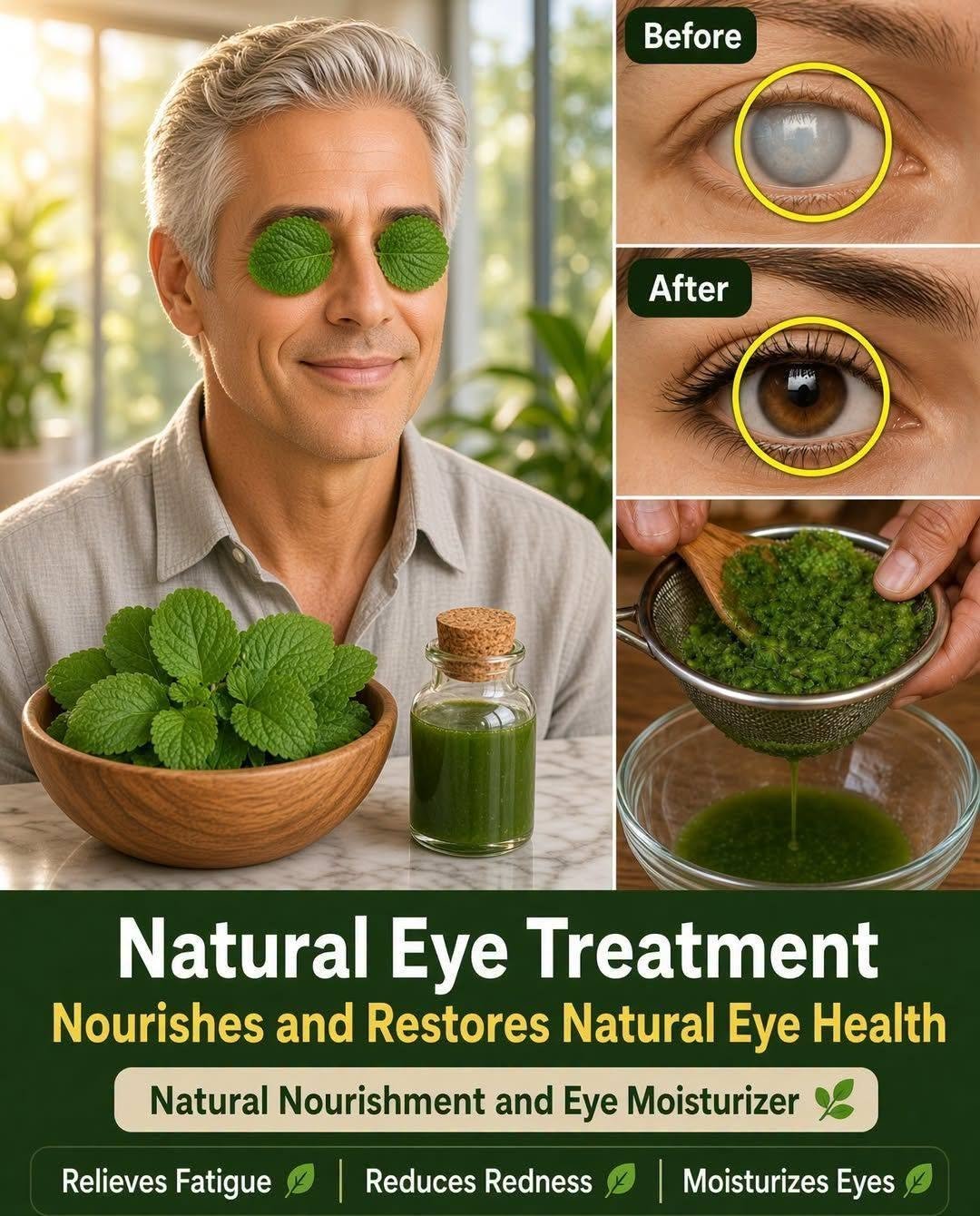
No.
A cataract occurs when the normally clear lens inside the eye becomes cloudy. This can cause blurry vision, glare, difficulty seeing at night, and other visual problems.
There is currently no proven herbal drink, mint preparation, or homemade eye remedy that removes an established cataract.
When a cataract significantly interferes with daily activities, cataract surgery is the established definitive treatment. Glasses may sometimes improve vision when the problem is partly related to refractive error, but glasses cannot remove the cloudy lens itself.
What About People Who Wear Glasses?
Mint cannot reliably eliminate the need for prescription glasses.
People need glasses for many different reasons, including nearsightedness, farsightedness, astigmatism, and age-related changes in near vision. These conditions are different from cataracts and require appropriate eye evaluation.
If your vision seems clearer after drinking a particular beverage or using a cold compress, that does not necessarily mean an eye disease has been reversed. Vision can fluctuate naturally because of dryness, fatigue, lighting, or changes in focusing.
Why You Should Never Put Homemade Mint Juice Into Your Eyes
This is particularly important.
The image promotes a preparation made from crushed mint leaves, apparently producing a green liquid. Do not place homemade mint juice, crushed leaves, herbal extracts, honey, oils, or other kitchen ingredients directly into the eyes.
The eye is extremely sensitive, and homemade preparations are not sterile. They can contain microorganisms, plant particles, or substances capable of irritating or damaging the cornea.
Something being “natural” does not automatically make it safe for direct application to the eye.
If you accidentally get an herbal preparation into your eye and experience burning, persistent redness, pain, light sensitivity, or blurred vision, rinse the eye thoroughly with clean water and seek medical attention if symptoms persist or are severe.
How to Actually Support Long-Term Eye Health
A healthy lifestyle can help protect overall eye health, although it cannot guarantee that someone will never develop an eye disease.
Include a variety of colorful foods in your diet, particularly:
- Leafy green vegetables
- Carrots and sweet potatoes
- Eggs
- Citrus fruits
- Berries
- Nuts and seeds
- Fatty fish
- Beans and lentils
- Colorful peppers and other vegetables
Regular physical activity, controlling blood pressure and blood sugar, avoiding smoking, and protecting the eyes from excessive ultraviolet exposure are also important.
Most importantly, regular eye examinations can identify problems before they cause major vision loss.
When You Should See an Eye Doctor
Don’t postpone an eye examination because of a promising natural remedy.
Make an appointment if you notice gradually worsening vision, increasing glare, difficulty seeing at night, frequent changes in your glasses prescription, or problems reading or driving.
Seek urgent medical care for sudden vision loss, severe eye pain, sudden flashes or a large increase in floaters, or a curtain-like shadow over part of your vision.
Mint can be a refreshing and nutritious herb, but it should remain in your food and drinks—not be treated as a replacement for professional eye care.
The healthiest approach is to enjoy mint as part of a balanced diet while protecting your eyes and getting appropriate treatment when a genuine eye condition develops.
See more on the next page
