

 Foods Versus Claims for Eye Health After 60
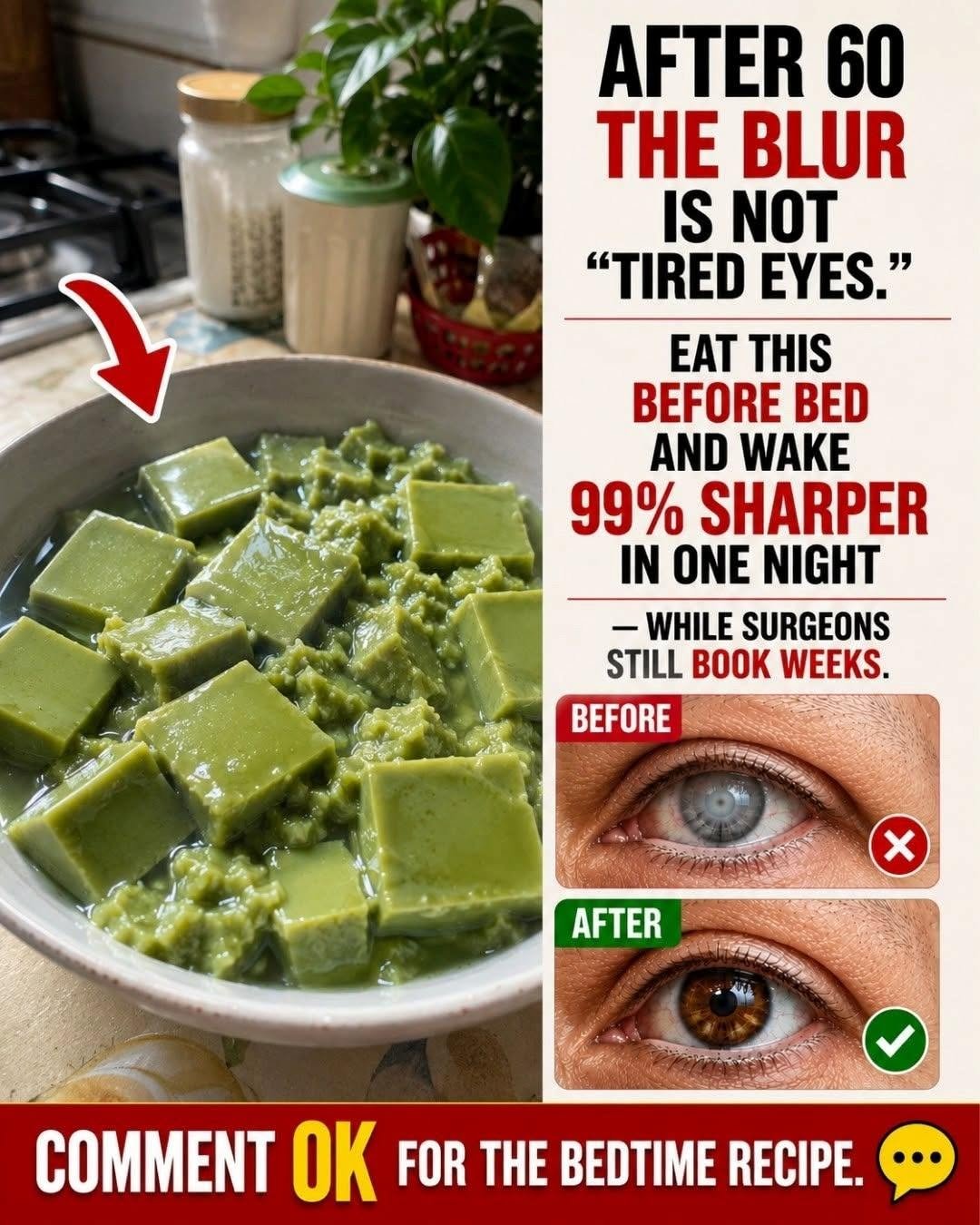
Eye health after 60 attracts ads that shout “99% sharper by morning.” Science talks in slower language. Use the table before you believe a before-and-after eye photo.
| Habit or food | What research actually discusses | What it does not do |
|---|---|---|
| Leafy greens + fat | Raises lutein intake; linked with macular pigment over time | Does not clear a cataract overnight |
| Egg yolk | Highly absorbable lutein and zeaxanthin | Does not replace glasses |
| AREDS2-style formula | Slows progression in selected intermediate AMD cases under medical advice | Not a DIY plan for every adult |
| Matcha kanten | Light snack; tea antioxidants under study | Not an eye surgery alternative |
| Sleep and humidity | Supports the tear film | Does not reverse glaucoma |
| Dilated eye exam | Finds AMD, glaucoma, diabetic changes early | Skipped exams hide silent damage |
National Eye Institute guidance is blunt: after 60, a dilated exam every year or two remains the strongest protection, even when you think your sight is “fine.”
 A Bedtime Sequence That Supports Eye Health After 60
Eye health after 60 improves when the last hour of the day stops attacking the tear film. Screens, ceiling fans, and salty late snacks all dry the surface.
Follow this sequence tonight:
- Eat the lutein plate or a few matcha cubes at least an hour before lights out.
- Dim overhead glare and use a warm lamp for reading.
- Follow the 20-20-20 pause if you still use a phone: every 20 minutes, look 20 feet away for 20 seconds.
- If lids feel sandy, ask a clinician about preservative-free tears—not leftover redness drops.
- Sleep 7 hours when you can. Dry eye and poor sleep feed each other.
Here’s what people miss. Eye health after 60 also rides on blood sugar and blood pressure. Diabetes and hypertension damage retinal vessels. The bedtime snack cannot outrun unmanaged glucose.
Keep going. The open loop from the start is this: the “secret” is a repeatable evening plate plus an exam calendar—not a one-night transformation while surgeons “book weeks.”
 Red Flags That Override Any Snack for Eye Health After 60
Eye health after 60 sometimes needs the clinic the same day. Sudden showers of floaters, a dark curtain across vision, flashes of light, severe eye pain, or a rapid drop in sight are emergency signs. Food does not wait those out.
Cataracts that steal night driving deserve a real conversation about surgery timing. Intermediate AMD may lead a specialist toward an AREDS2 formula—zinc, vitamins C and E, lutein, and zeaxanthin in studied doses—not a random internet powder.
The ads hurt because they mock that process. Eye health after 60 is not a comment-to-unlock recipe. It is a long relationship with an optometrist or ophthalmologist who can look at the retina, not just the marketing photo.
Skip these traps:
- “Clears while you sleep” timelines
- Exact percentages such as 99%
- Fake before-and-after irises
- Advice to delay a booked exam for a jelly
 A Seven-Evening Starter Plan for Eye Health After 60
Eye health after 60 gets easier on a fridge note.
- Three evenings: wilted spinach or kale with olive oil and egg
- Two evenings: fish plus a colorful vegetable
- Two evenings: small matcha kanten if you enjoy the ritual
- Every evening: lamp light, phone down, lids clean
- This season: book or keep the dilated exam already due
Notice glare on headlights. Notice whether print is harder than last year. Those observations belong in the exam room.
Eye health after 60 is a long game. The adults who still read comfortably usually stacked greens, sleep, and checkups—not a single viral cube.
Frequently Asked Questions
Does a bedtime green jelly restore eye health after 60 overnight?
No. Matcha kanten is a light snack. Eye health after 60 depends on long-term lutein-rich foods, tear-film care, and professional exams. Overnight “sharper vision” claims do not match how cataracts or macular disease work.
Which foods matter most for eye health after 60?
Dark leafy greens cooked with a little fat, egg yolks, fatty fish, and a produce-heavy pattern. Lutein and zeaxanthin are the pigments most often discussed for the macula. Ask your clinician before starting high-dose supplements.
When should blur send someone with eye health after 60 to a specialist?
Book a comprehensive dilated exam on the usual adult schedule, and go sooner for sudden vision loss, flashes, a curtain over vision, severe pain, or a rapid change. Food habits support comfort. They do not replace an eye doctor.
Disclaimer: This article is for general education only. It does not diagnose, treat, or manage eye disease and is not a substitute for care from an optometrist or ophthalmologist. Talk with a licensed clinician before changing diet, supplements, or eye drops, especially if you have cataracts, glaucoma, macular degeneration, diabetes, or sudden vision changes.
